Effective supply chain sustainability
Minimize the impact your products and company operations have on the environment with our leading supply chain sustainability solutions
Transform Your Supply Chian Into A “Supply Circle” By Minimize The Enviromental Footprint Of Your Products And Company.

DIAMIND
END-TO-END TRUSTED SUSTAINABILITY
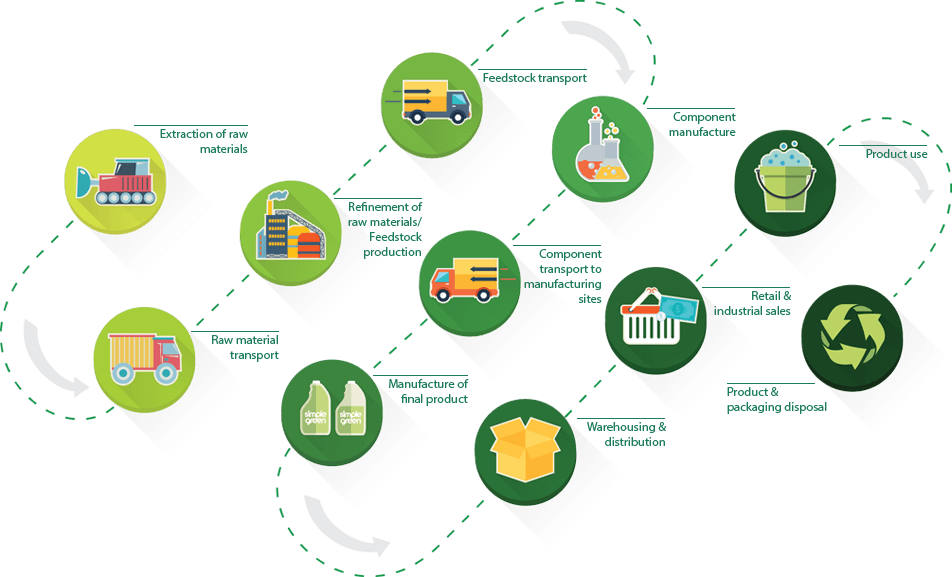
End-to-end and trusted sustainability comes from integrating multiple sustainability information, gathering data at each level: raw materials and components, production processes, logistics and distribution, storage and warehouse, up to end-users. The result offers a holistic approach to sustainability.
- Reduce the enviromental impact of your products through improved tracking
- Reduce one-time-use packaging (and save money) through the use of returnable assets
- Data analysis and monitoring of KPI’S for sustainable report
Module Description
The Sustainability module comprehensively addresses various dimensions of the term, effectively managing both the environmental and social sustainability aspects of production processes.
From an environmental standpoint, the module possesses the capability to amass data from heterogeneous sources, culminating in the establishment of the environmental impact of each phase of a product’s lifecycle. For instance, it can calculate this impact in terms of CO2 equivalence. These pivotal insights are harvested from a diverse array of origins, including third-party systems like SCADA and environmental monitoring setups, sensors provided by Antares Vision, or systems such as PLCs. In cases where direct data might be lacking, the module is endowed with the ability to employ models or leverage averaged data to estimate the impact of a particular activity. Furthermore, the module extends its influence to encompass the entire end-of-life phase of a product, considering the environmental consequences related to disposal and recycling.
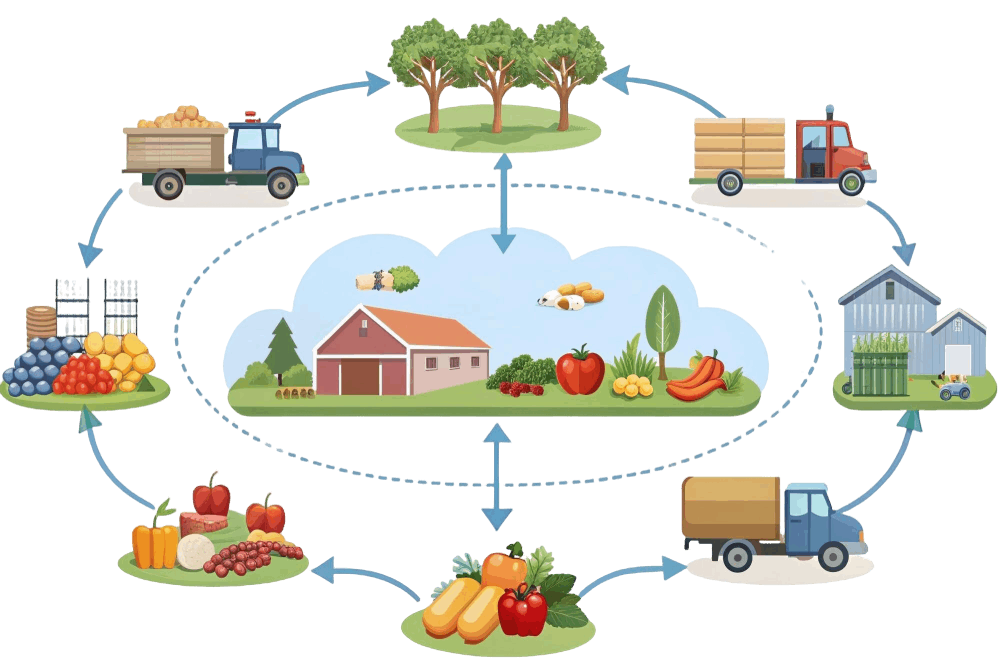

Transitioning to the realm of social sustainability, the ecosystem adeptly intersects production data with existing contracts. This amalgamation facilitates the optimization of workloads and enables real-time alerts to supervisors should any non-compliance with guidelines arise. For instance, this functionality can prove indispensable in situations like combating exploitative labor practices, such as cases of worker exploitation (i.e. gangmastering) within the agricultural sector. By seamlessly merging production data and contractual parameters, the module contributes to fostering ethical and socially responsible production practices.
In essence, the sustainability module operates as a dynamic platform that empowers organizations to holistically evaluate and enhance their environmental and social footprints. Through its data-driven insights, it enables strategic decisions that align with sustainable goals, ensuring responsible practices and reinforcing corporate social responsibility.
Data collection
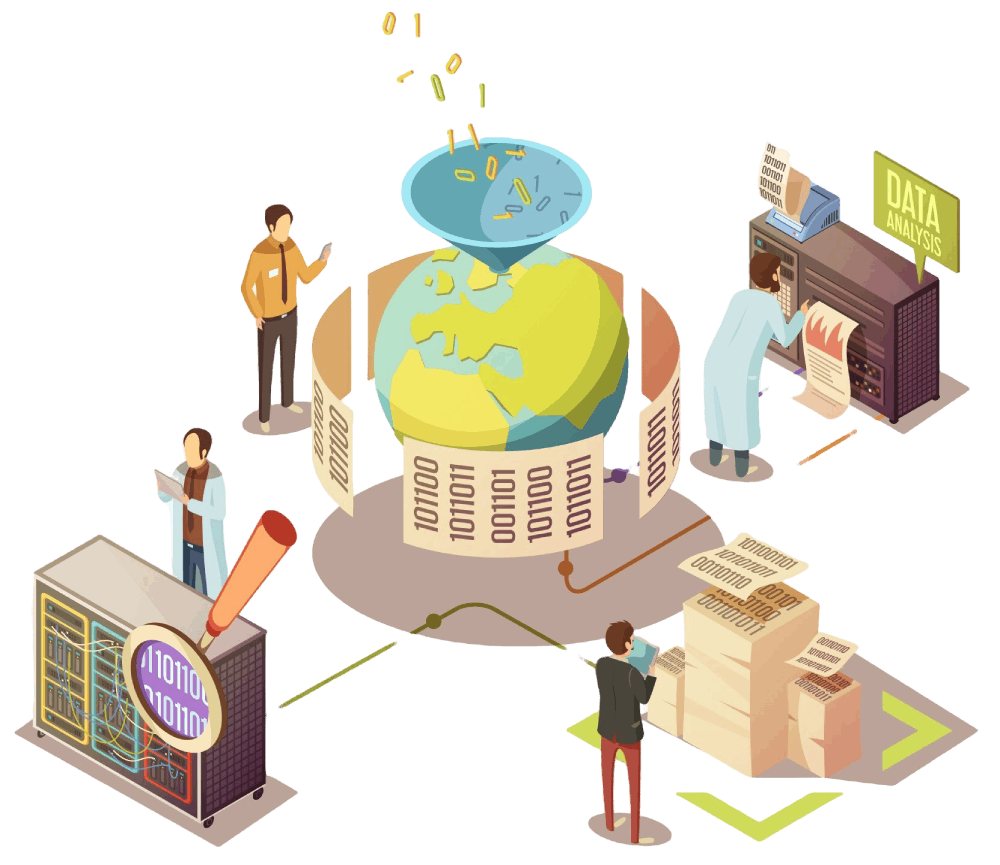
The system acquires data concerning energy consumption, raw material utilization, and machine inefficiencies from a variety of sources, including machine sensors, environmental monitoring systems, SCADA, and ERP systems. This comprehensive data compilation offers a nuanced perspective on the operational dynamics and resource utilization across the production landscape.
Specifically, the module can seamlessly retrieve machine-related data through sensors or leverage data natively available within AV Group’s production machinery. By tapping into these internal machine sensors, the system gathers granular insights into performance, enabling a real-time assessment of energy utilization and operational efficiency. In cases where such machine-specific data is unavailable, the system remains adaptable. It can integrate data from external sources, such as certificates or official documentation, or even apply sophisticated mathematical models to estimate the energy consumption and raw material usage for each production stage.
This multidimensional approach ensures a comprehensive evaluation of the environmental impact throughout the product’s lifecycle. By amalgamating data from diverse sources, including machine sensors, monitoring systems, and external references, the system facilitates a robust analysis that aids in identifying inefficiencies, optimizing resource allocation, and steering the production process towards enhanced sustainability. Through its data-driven insights and flexible methodologies, the module becomes an essential tool in guiding businesses towards more informed, ecologically responsible decisions.
Advantages
In contrast to its competing counterparts, the sustainability module stands out by its unique capability to deliver sustainability reports grounded in actual data. This module goes beyond surface-level assessments, providing businesses with a robust framework for evaluating areas of enhancement and devising strategies to curtail their environmental footprint.
By harnessing real-time data from a spectrum of sources, including energy consumption, raw material usage, and machine performance, the module offers a comprehensive and accurate depiction of an organization’s ecological impact. This data-driven approach sets it apart from competitors, as it doesn’t rely on theoretical models or estimations. Instead, it presents a factual foundation upon which businesses can base their sustainability initiatives.
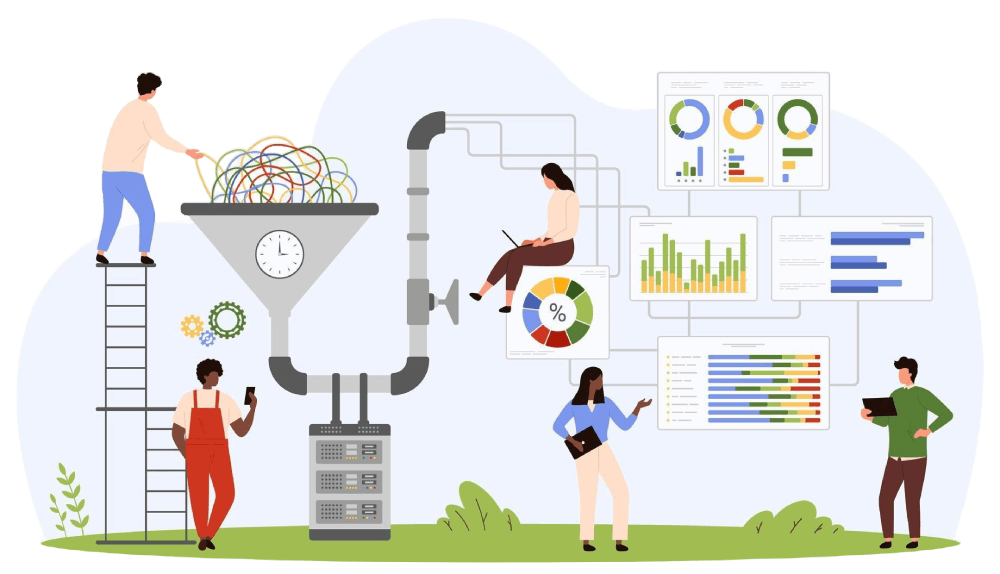

The module’s distinct advantage lies in its ability to not only quantify the existing impact but also to guide companies toward viable solutions for improvement. It serves as a dynamic tool that highlights areas where resource optimization can occur, energy efficiency can be enhanced, and eco-friendly practices can be integrated. By providing a roadmap for reducing the environmental footprint, the module empowers businesses to take proactive steps towards sustainability.
Furthermore, the module’s data-rich reports empower decision-makers with tangible insights. These insights serve as catalysts for transformative change, influencing strategic choices that align with environmental stewardship and responsible business practices. This, in turn, contributes not only to an improved ecological footprint but also to a positive corporate image and a competitive edge in a market increasingly attuned to sustainability concerns.
